My own restorationFrom Chanhassen, MN
How it came in
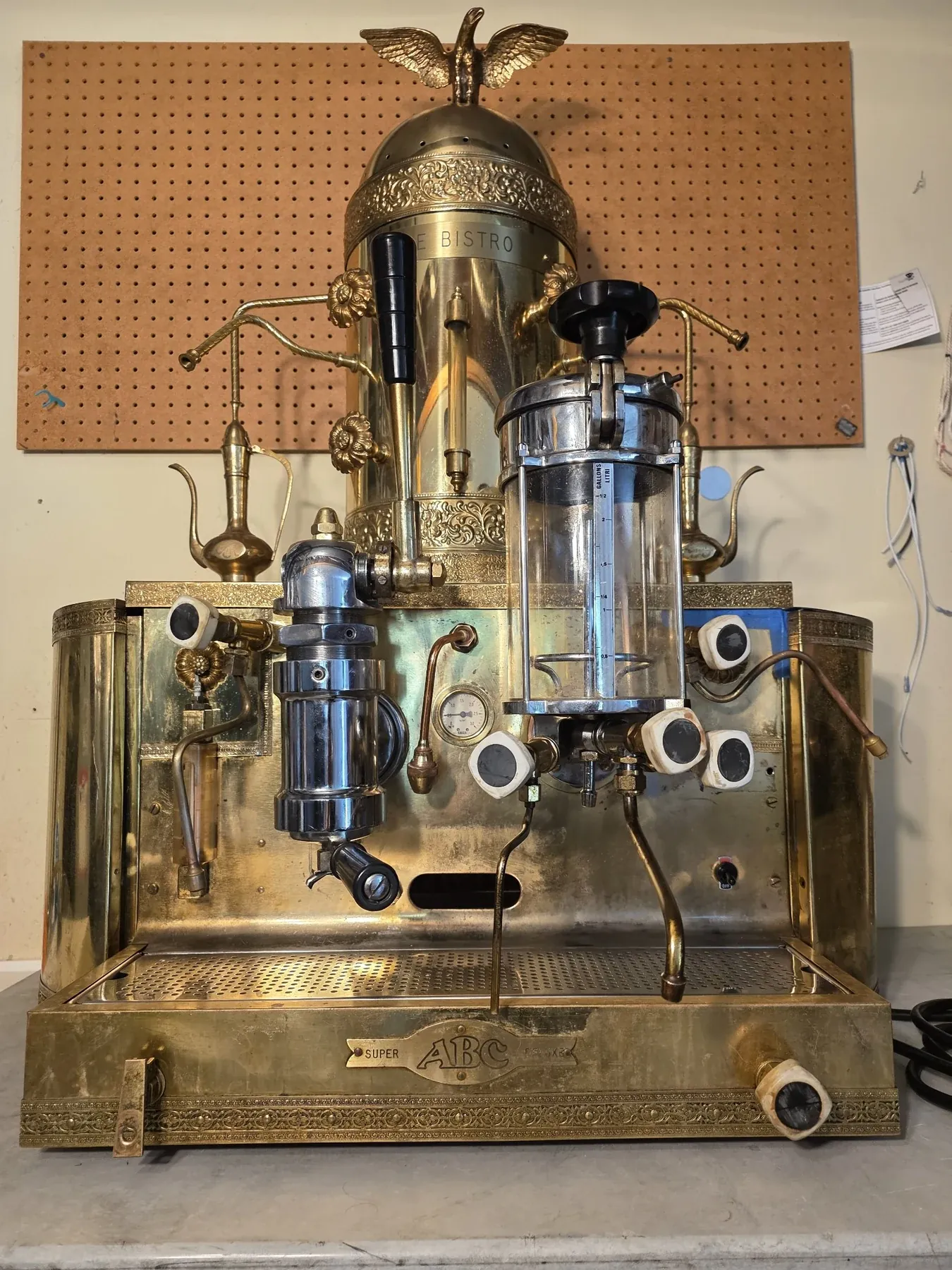
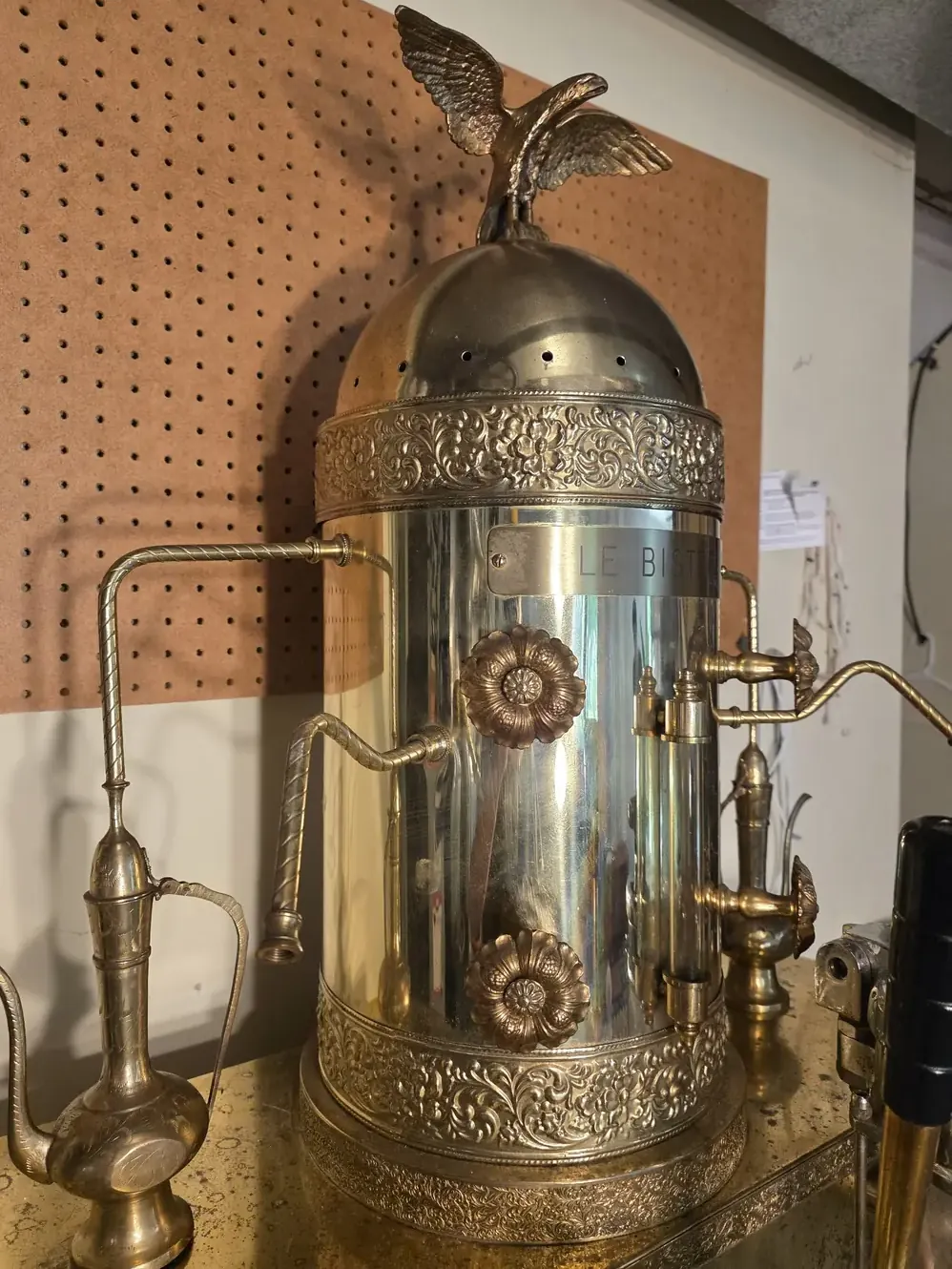
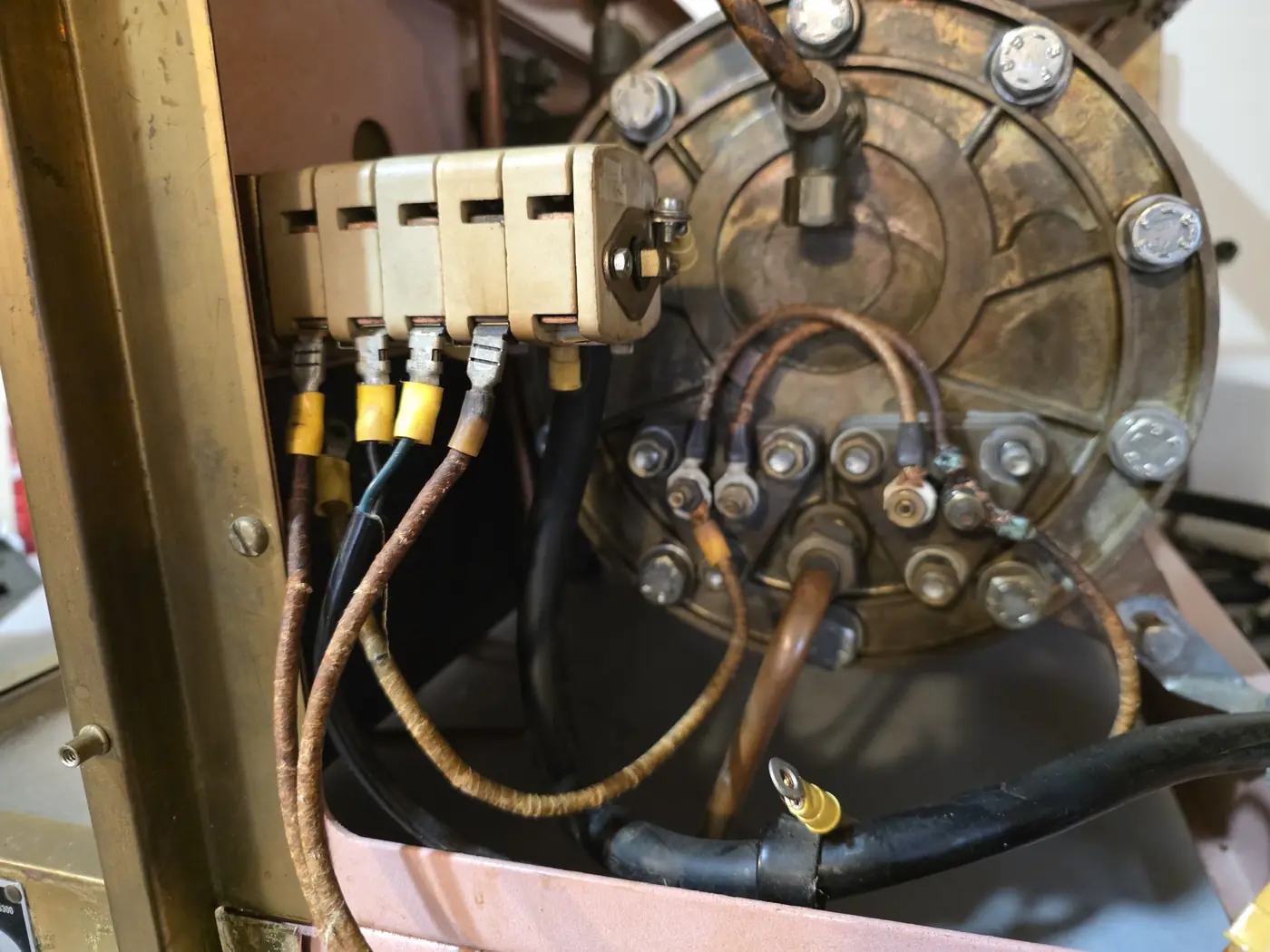
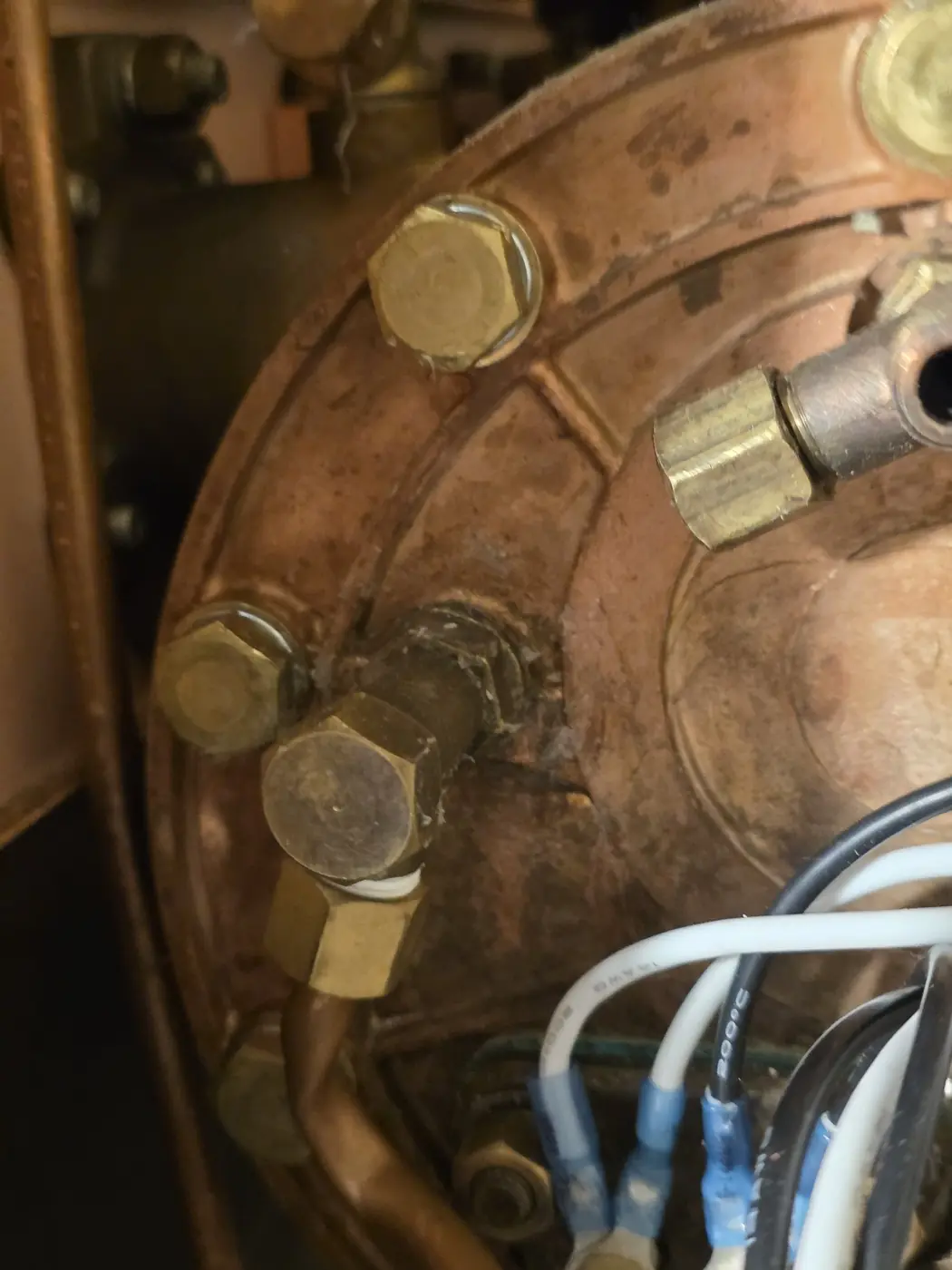
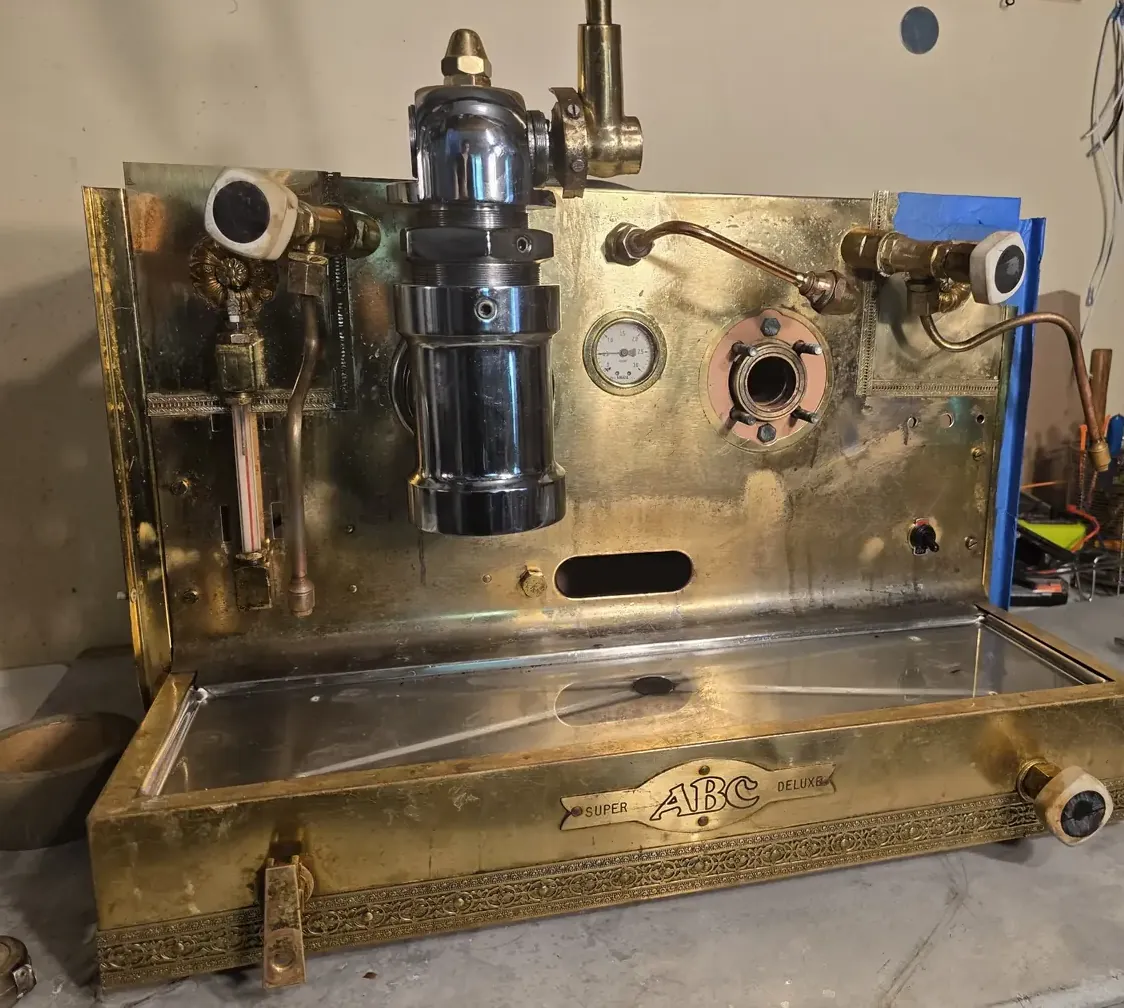
An early-1970s Gaggia spring-lever machine, with the Le Bistro brass dome and eagle sitting on a Super ABC Deluxe body. It came out of Chanhassen in rough, unsafe shape: fifty-year-old cloth-covered wiring, corroded terminals on the boiler flange, and insulation inside that turned out to be asbestos.
It’s the deepest restoration that has crossed my bench, and it’s the machine I point to when someone asks whether an old lever is worth saving.
What I did
- Stripped the whole machine down to the frame.
- Removed the asbestos insulation and disposed of it properly.
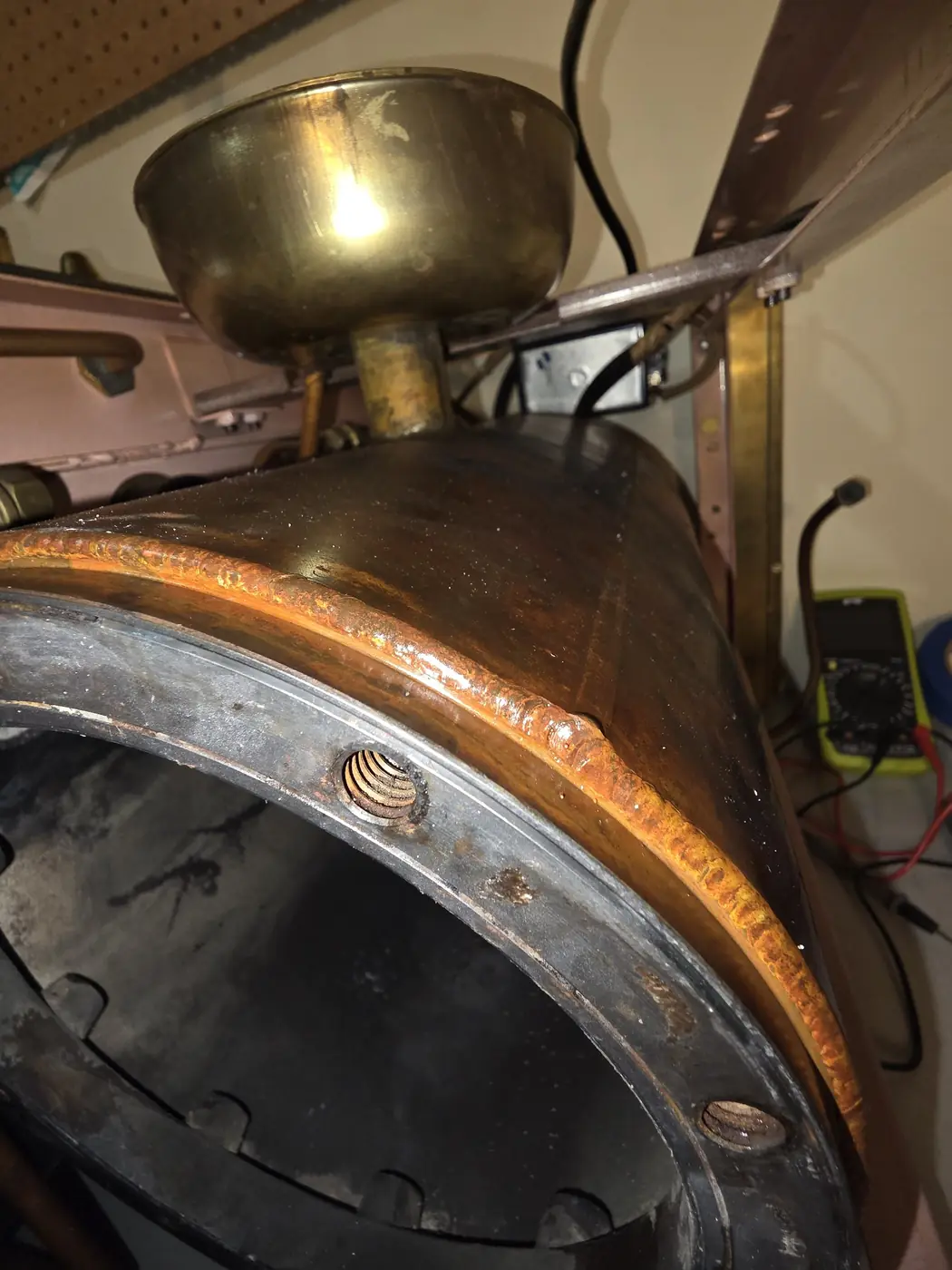
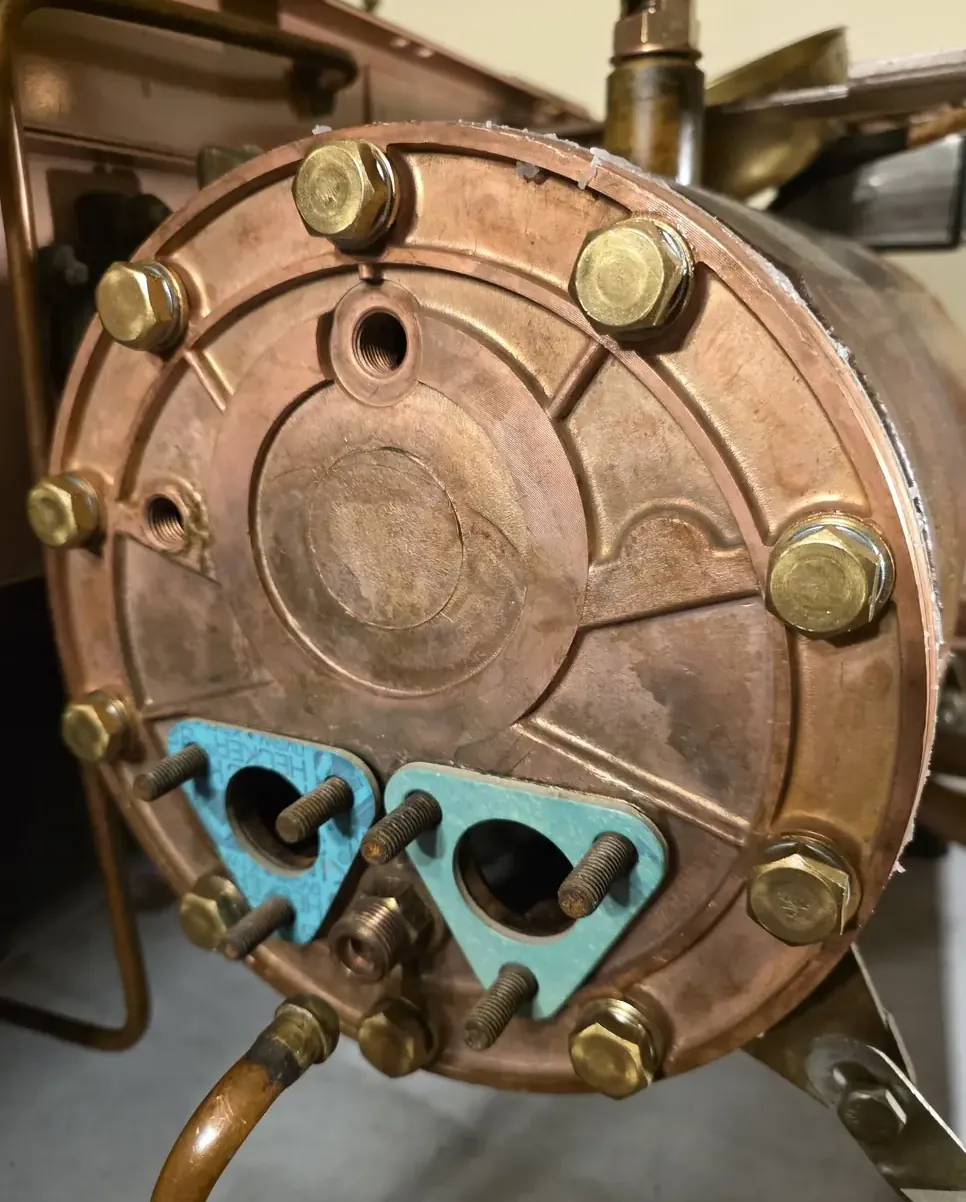
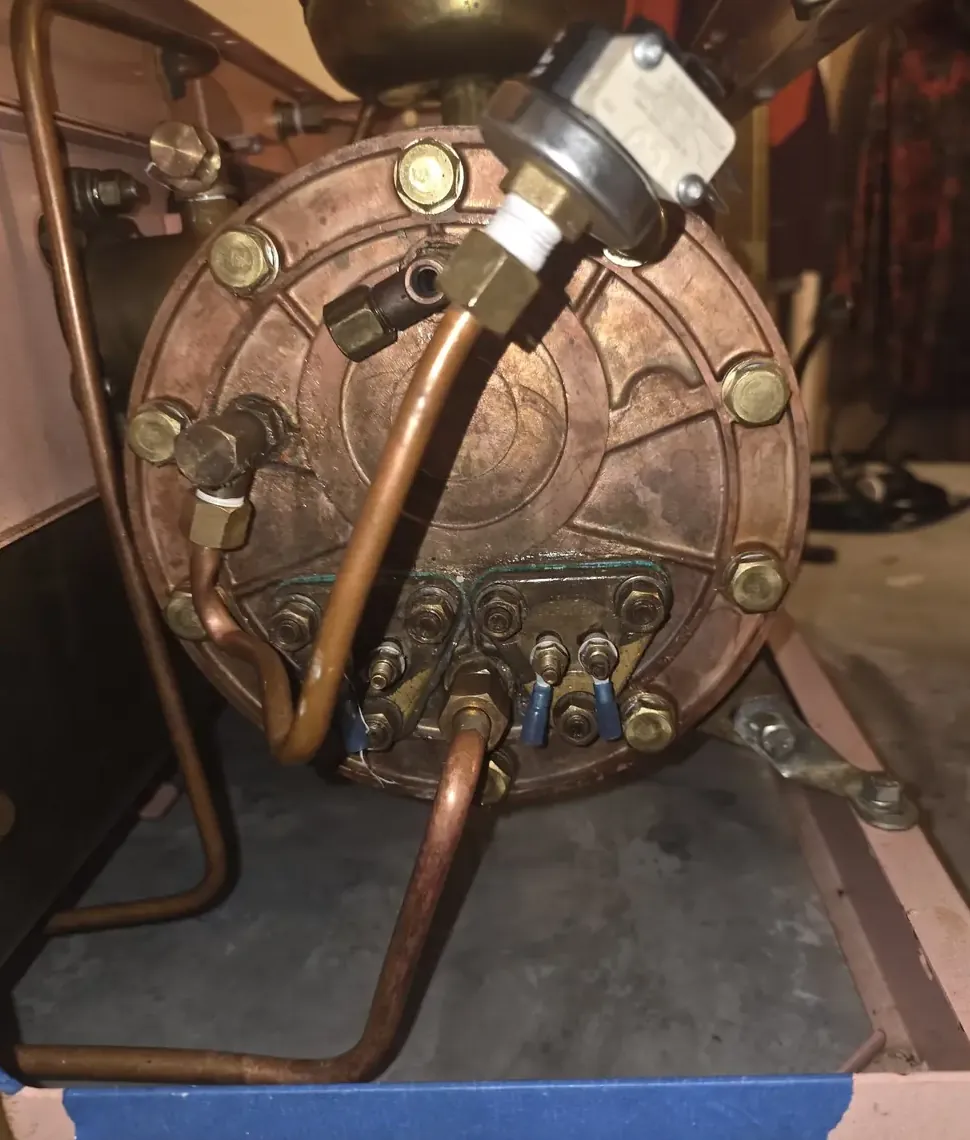
- Took the end plate off the boiler, checked the shell and seams, and cleaned it up.
- Replaced every gasket and seal, including new element gaskets on the end plate.
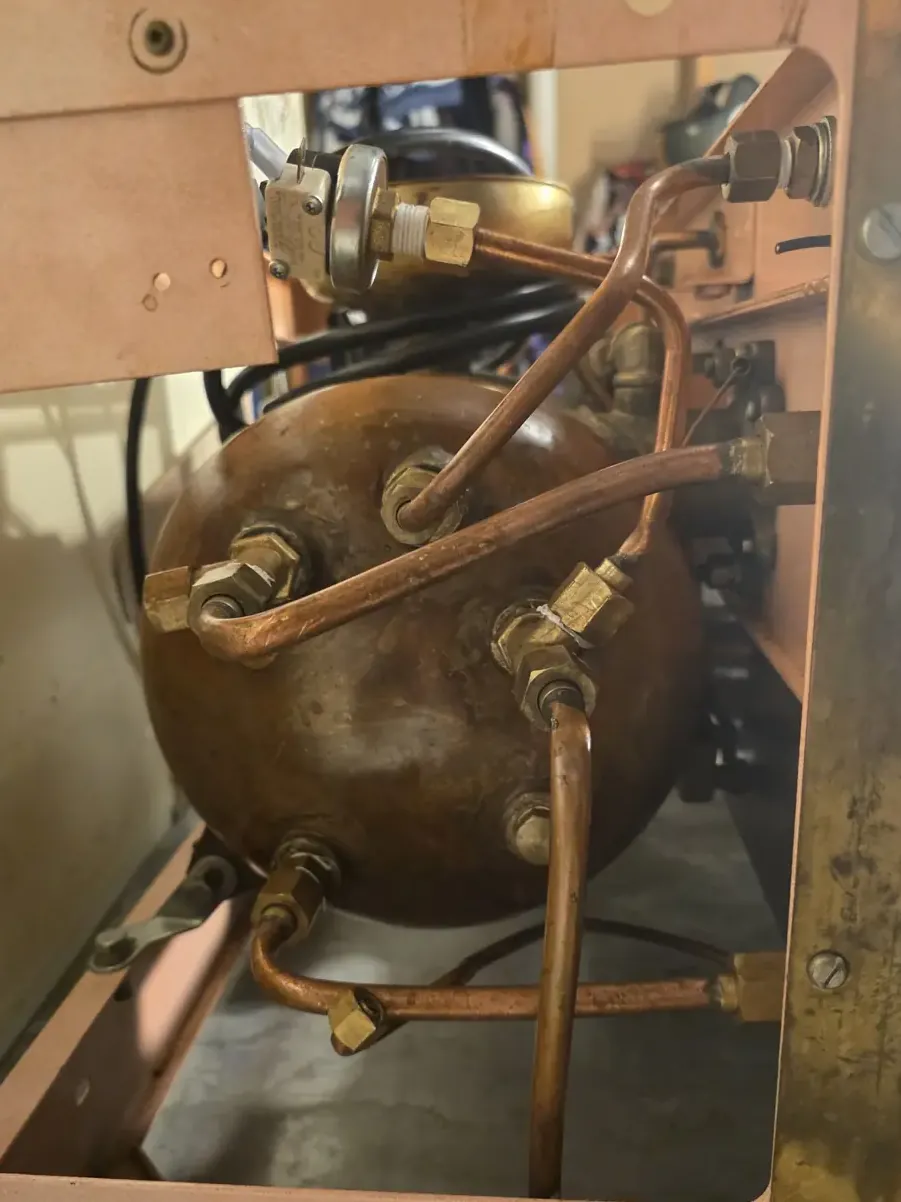
- Cleaned up and resealed the worn fittings on the boiler flange.
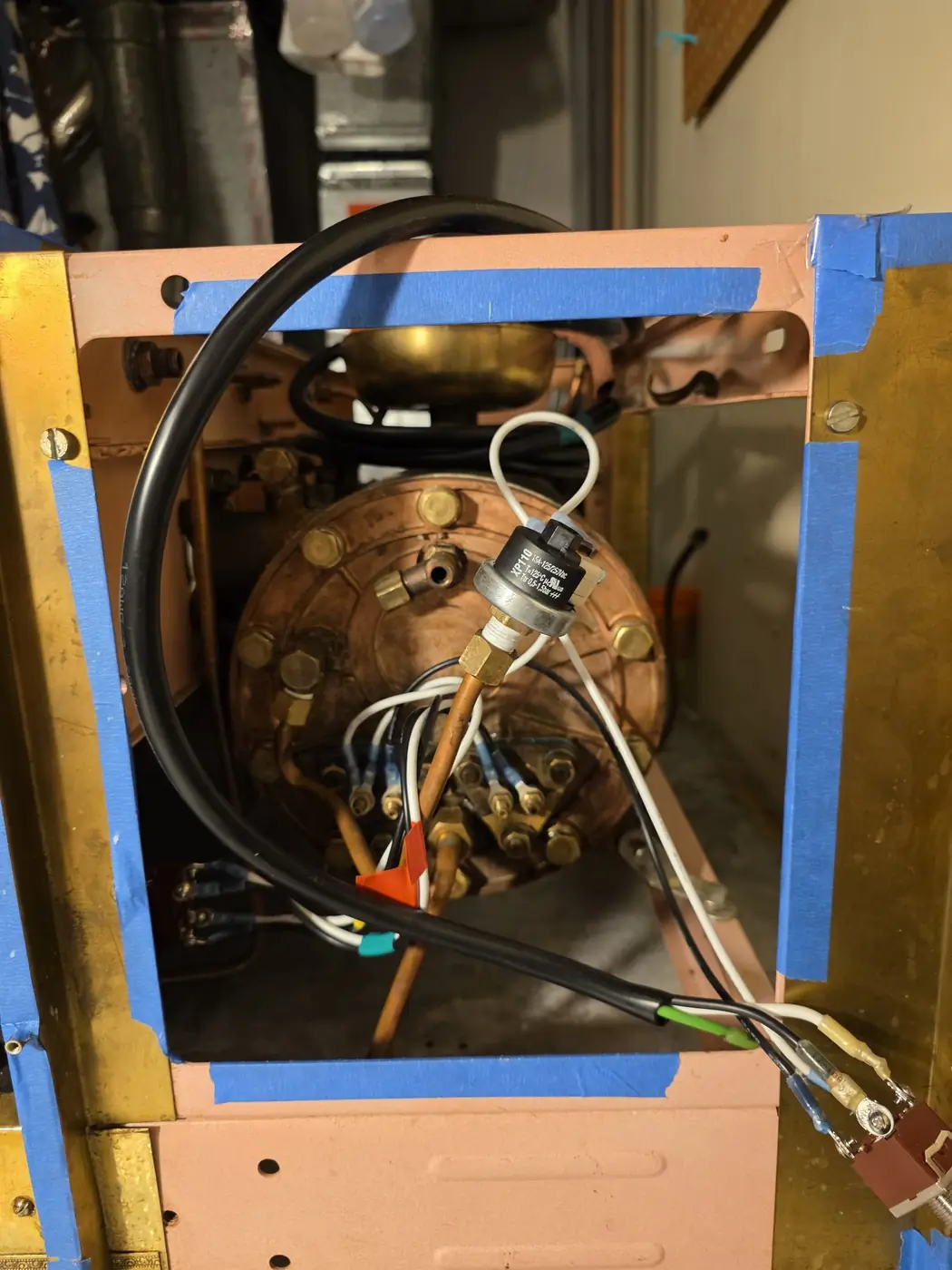
- Fitted a new MA-TER XP110 pressurestat and a certified safety valve.
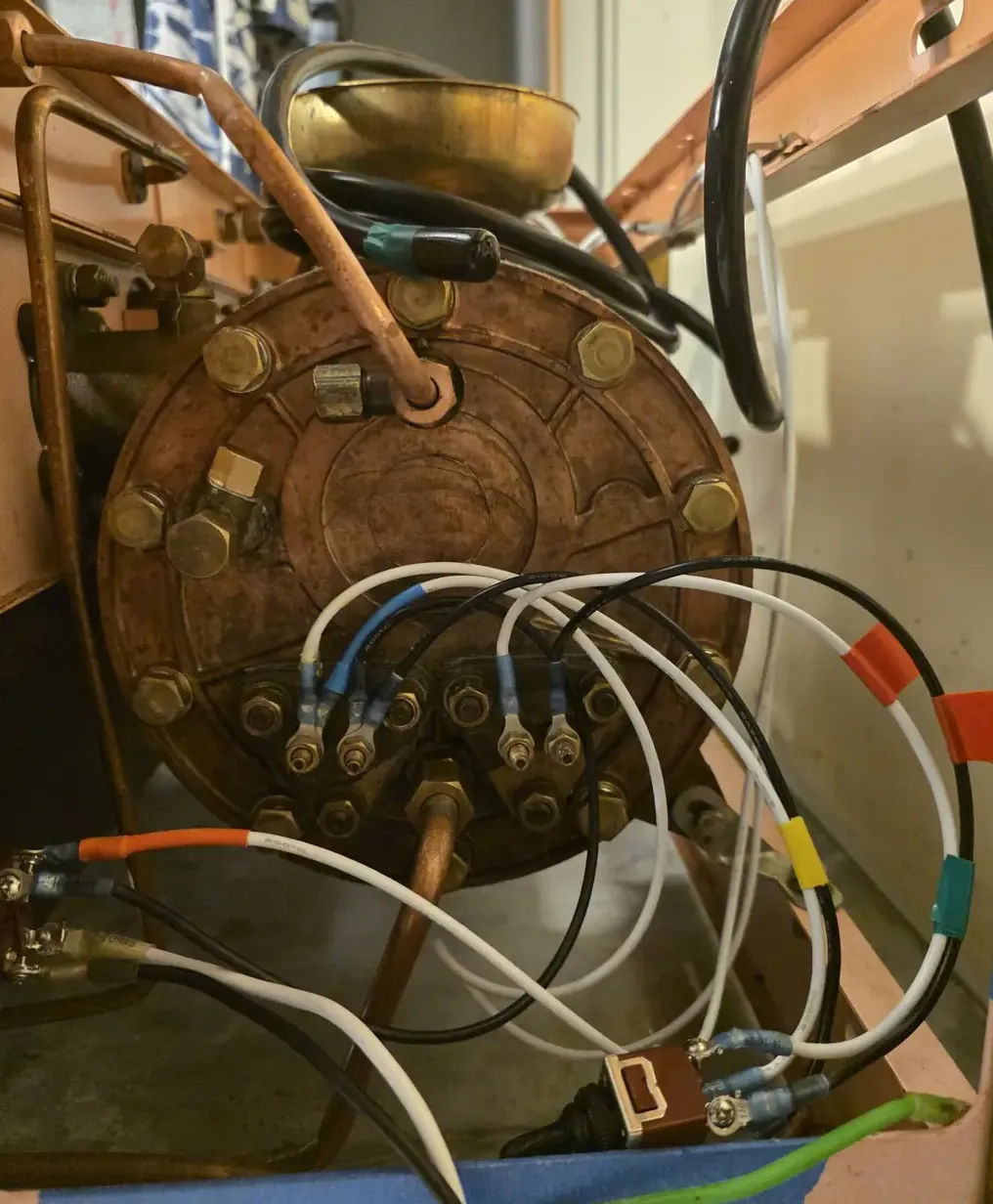
- Rewired the entire machine from scratch with high-temperature wire, every lead labeled.
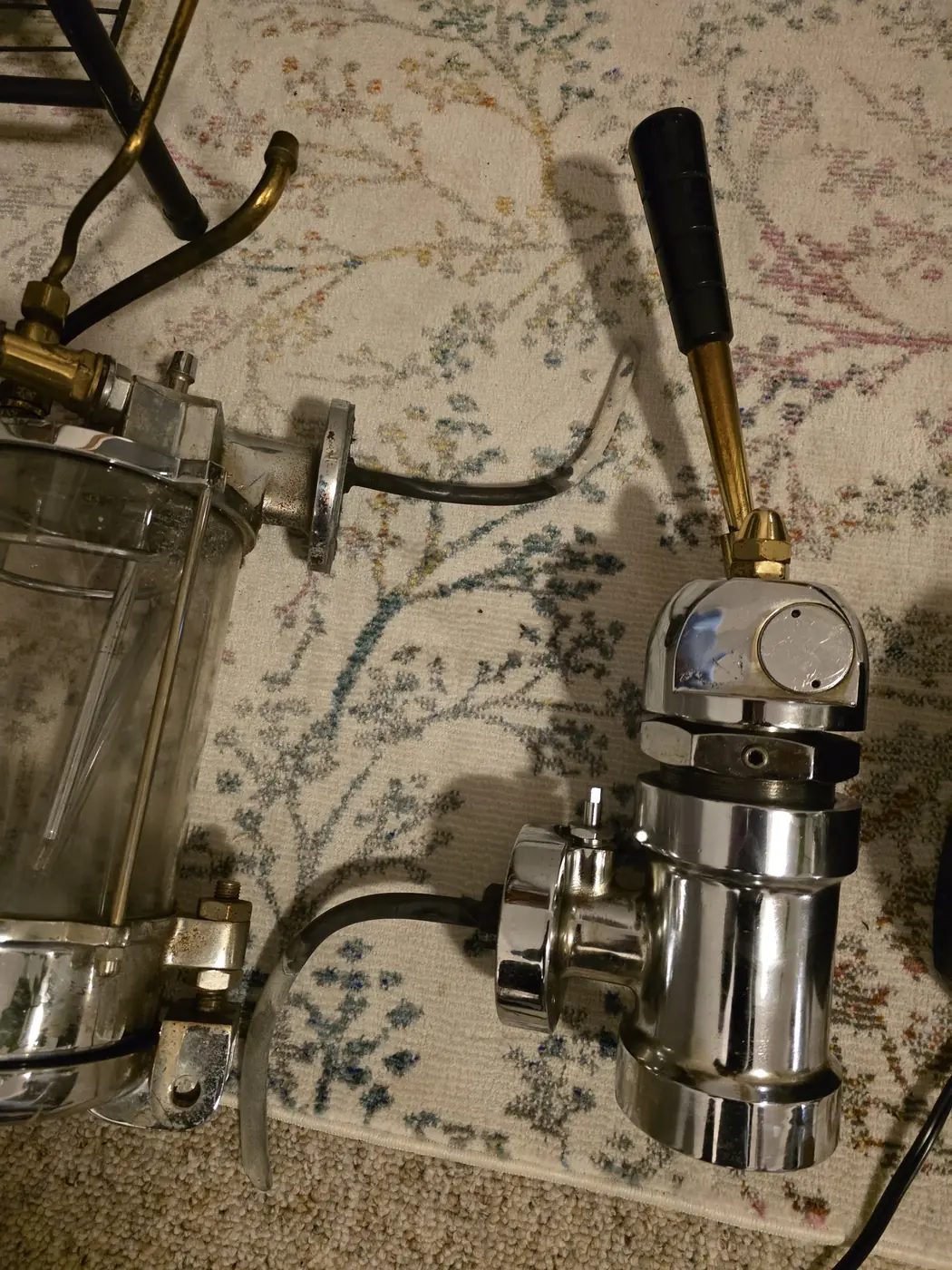
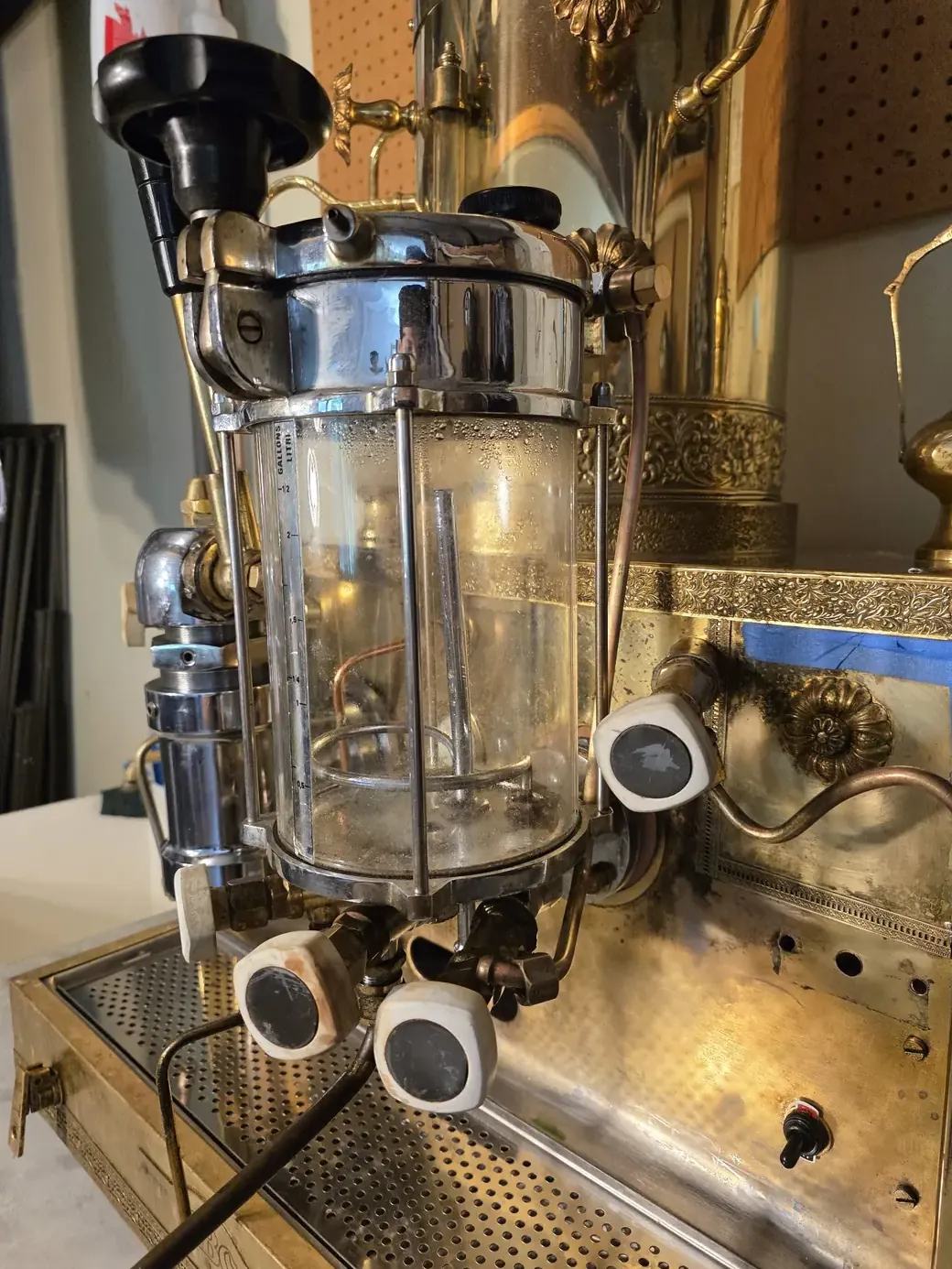
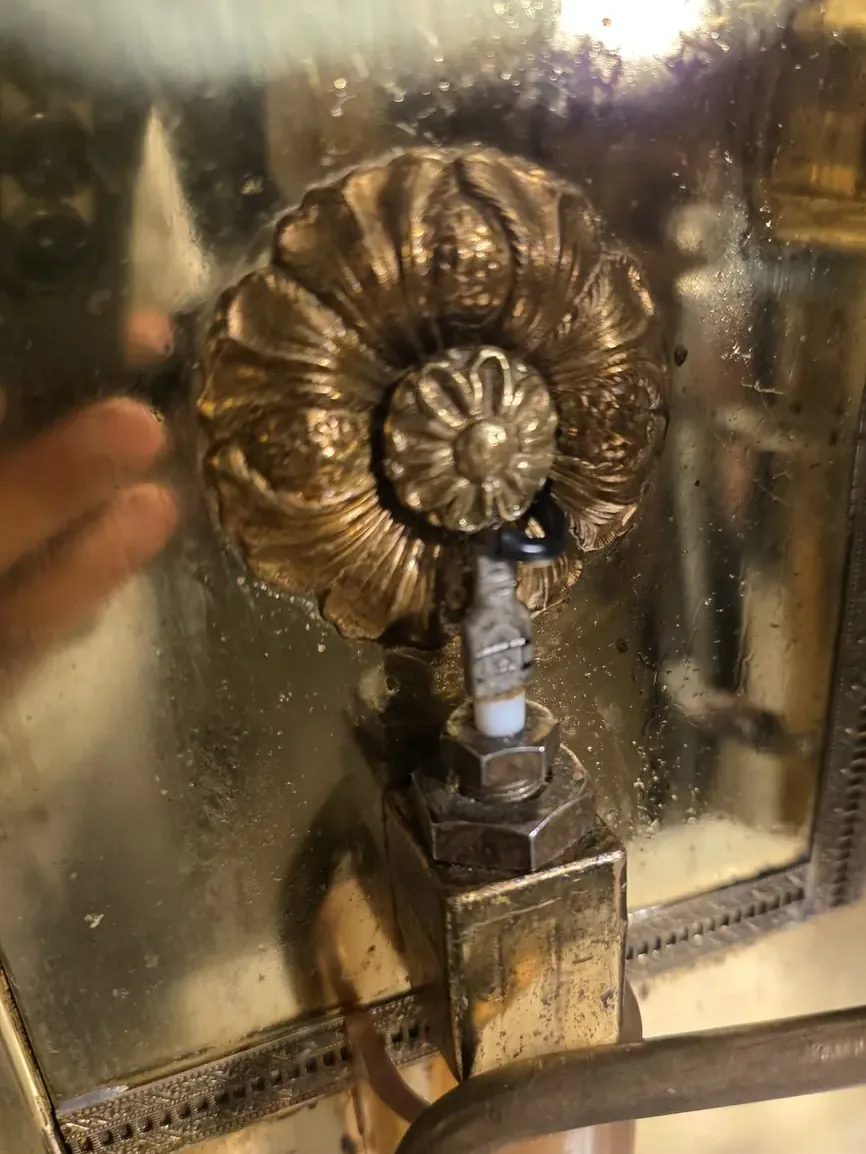
- Cleaned the lever group, the glass water reservoir and the brass by hand, then reassembled it all.
The result
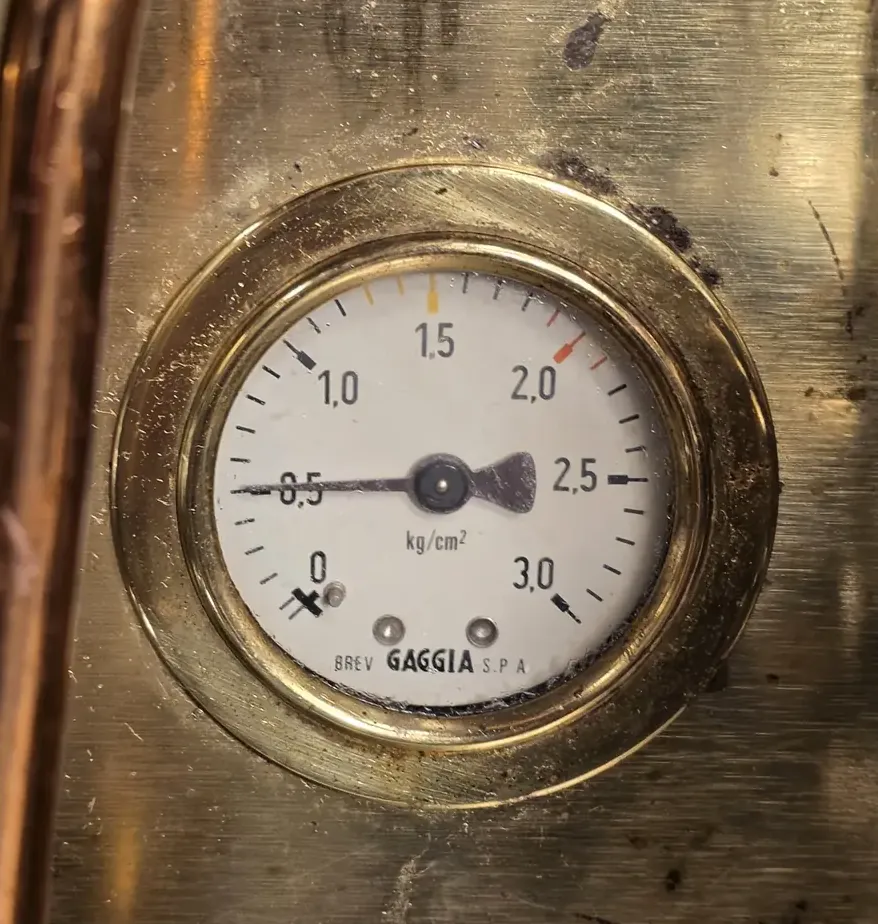
Real brass and copper, cleaned and put back together, not plated or painted over. It heats, holds pressure and pulls shots again, and the original Gaggia gauge still reads true.
If you have an old lever machine sitting in a basement or a back room anywhere in Minnesota, it is very likely saveable. Most shops won’t take these on. I will.
Parts used
- MA-TER XP110 pressurestat
- Certified boiler safety valve
- Element gaskets and all seals
- High-temperature wiring and terminals
More photos
Have an old lever machine or a vintage espresso machine that needs bringing back?
Next on the bench: Gaggia La Nera 2-Group: Restored, Sold and Installed at Wishi Co. · See all the machines